Prehistoric paintings and engravings
Human figures, animals and scenes left on the rock.
Sefar
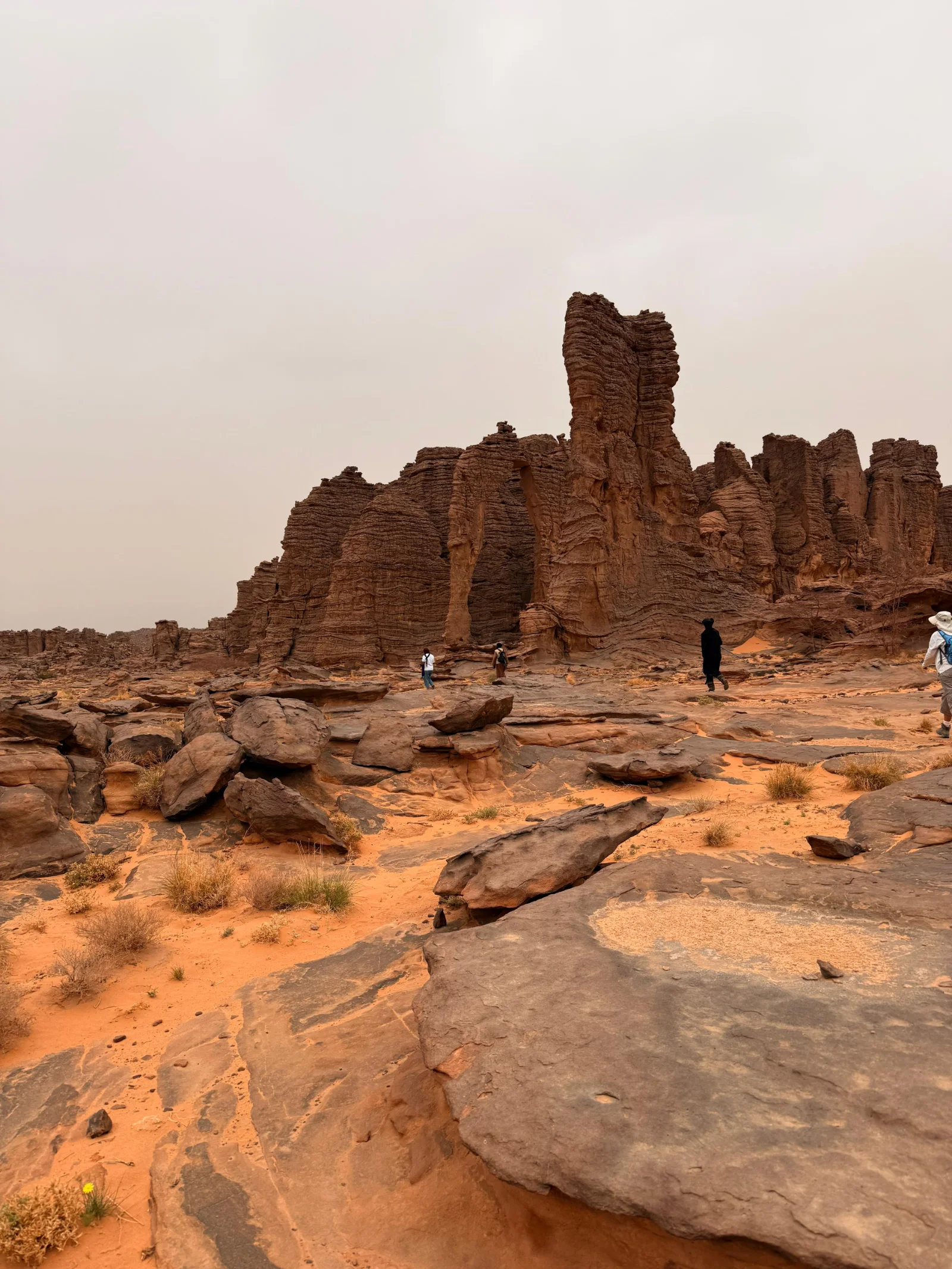
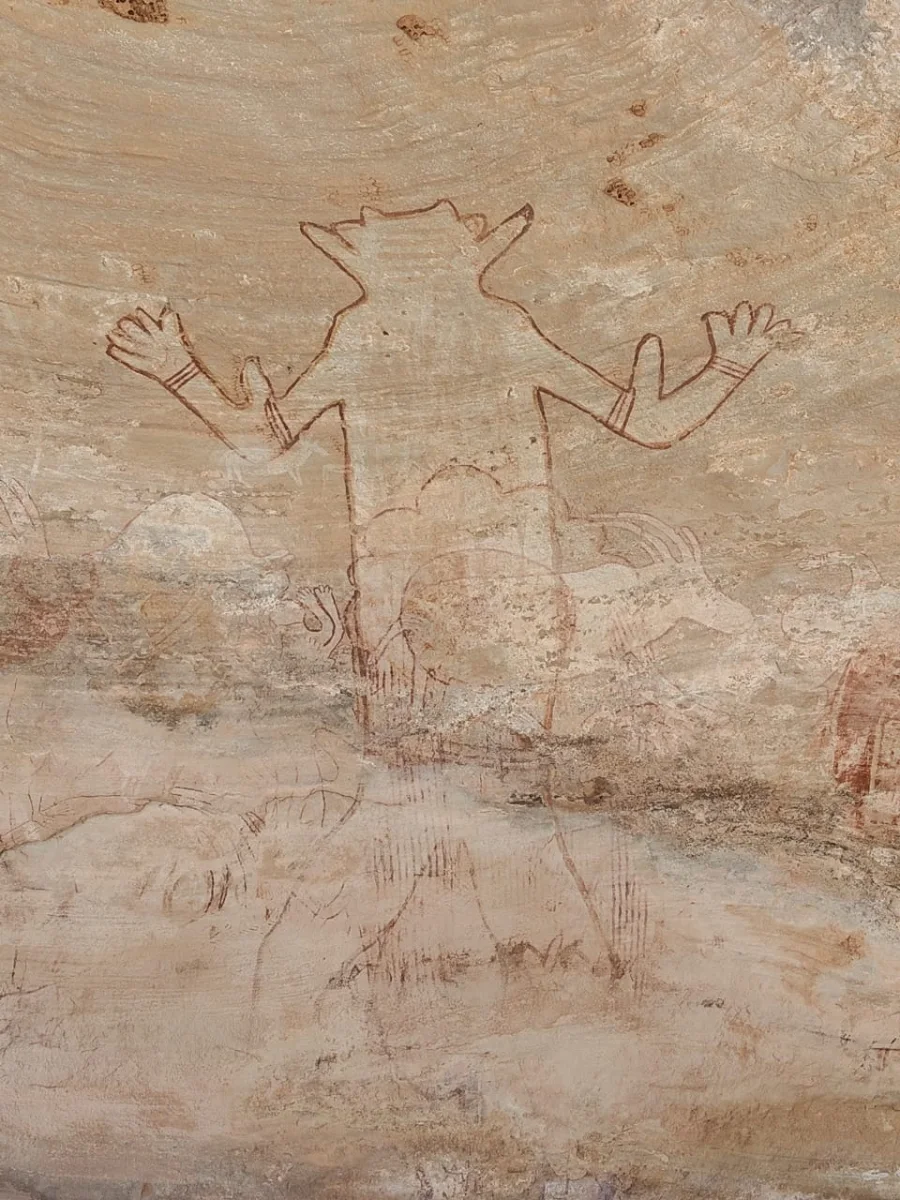
The world's largest open-air museum. Sefar sits at the heart of the Tassili n'Ajjer plateau, and it is unlike anywhere else on earth. Across a vast area of eroded sandstone, thousands of prehistoric paintings and engravings cover the rock faces — created by peoples who inhabited this region between roughly 10,000 and 2,000 years ago, during a period when the Sahara was far more hospitable than it is today. UNESCO has described the Tassili n'Ajjer as one of the most important groupings of prehistoric cave art in the world, and Sefar is its centre of gravity. The density and quality of the art here — depicting animals, humans, mythological figures, and scenes of everyday Neolithic life — is staggering. Walking through Sefar is less like visiting a historical site and more like reading a civilisation.
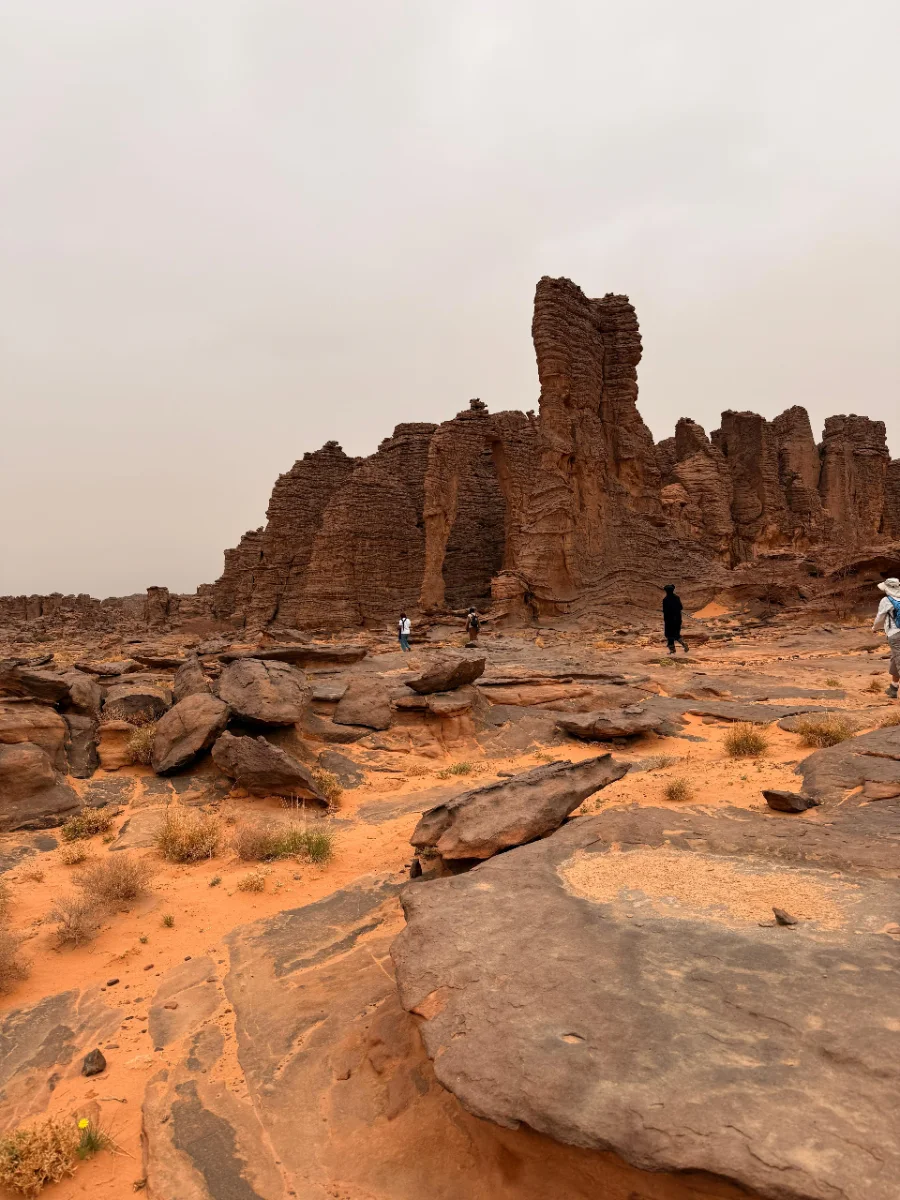
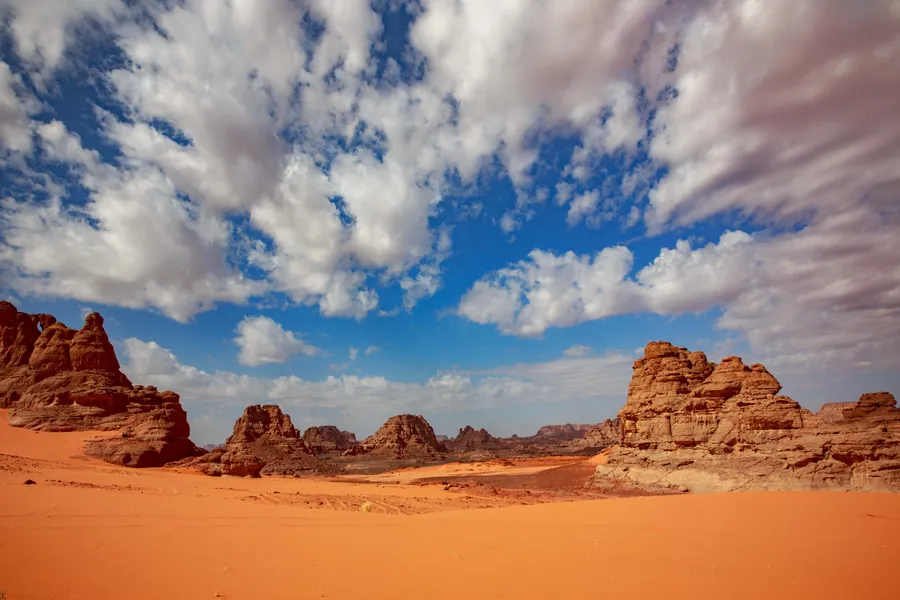
Rock and plateau. Reference photograph.
What to Expect
Prehistoric Paintings and Engravings
The rock faces of Sefar are covered in thousands of individual images spanning multiple artistic periods. Early works depict large wild animals — hippopotamus, buffalo, crocodile, elephant — long absent from the Sahara. Later periods show cattle herders, domestic scenes, and eventually the arrival of horses and camels. The Tassili school of art is visually distinctive, with rounded human figures and a characteristic palette of ochre, white, and black.
Tin Zoumaïtec
Among the most celebrated painted sites in the Tassili, Tin Zoumaïtec features exceptional examples of the so-called 'Round Head' art style — some of the oldest figurative paintings found in the region.
Tamrit Cypress Valley
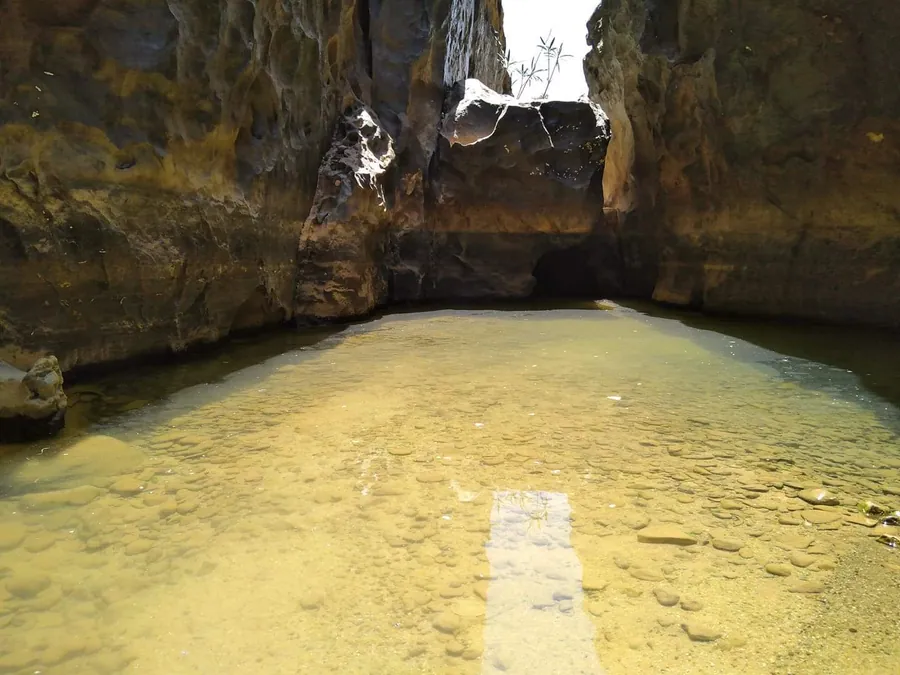
Near Sefar, the Tamrit Valley is home to ancient cypress trees — some believed to be over 2,000 years old — growing in a landscape of sculpted sandstone. This is one of the most atmospheric spots on the entire plateau.
What you will see
Human figures, animals and scenes left on the rock.
A landscape of stone and old routes.
A valley of ancient trees and quiet rock walls.
Open views, slow distances and big skies.
Tour Information
Field notes
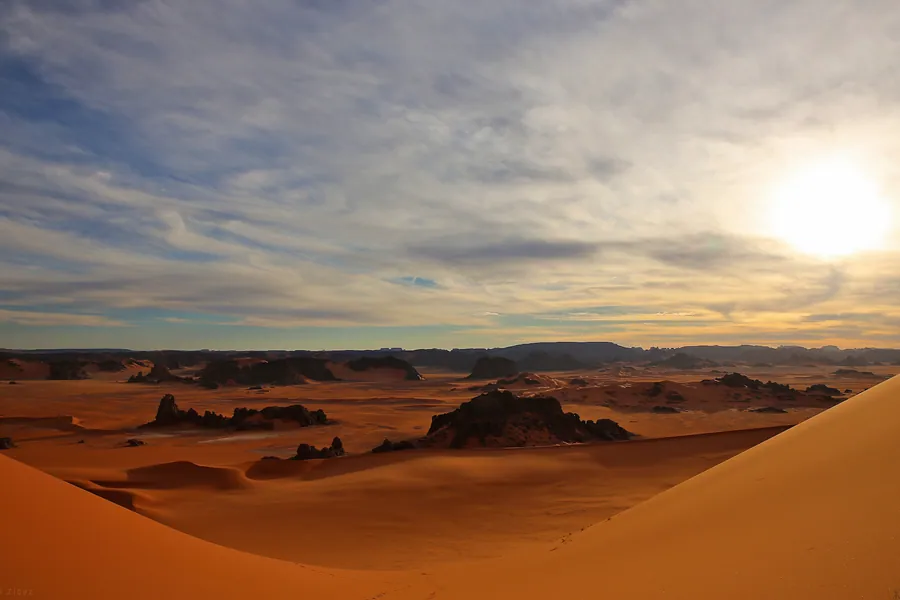
Red stone, south of Djanet.
Dunes and warm light.
The valley — reference image to be replaced.
Stone and plateau.
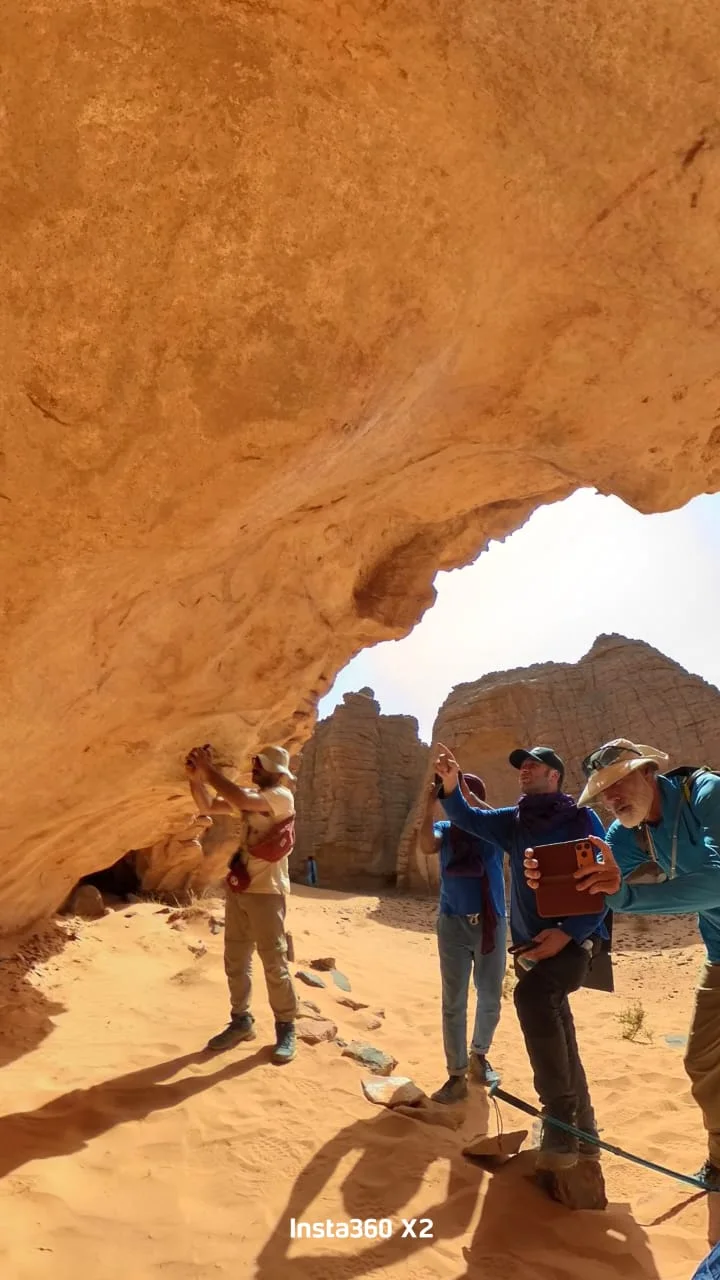
On the move.
A pause in the desert.
“We are visitors to a library that was written before us.”
Merkaounde Voyage
Tell us how much time you have and how far you would like to walk. We will build the days around the art and the landscape.